Accurate temperature control is at the heart of efficient HVAC (Heating, Ventilation, and Air Conditioning) systems. In an era where energy optimization and user comfort are critical, choosing the right temperature-sensing technology can significantly impact overall system performance. One of the most reliable and precise components used in modern HVAC systems is the thermistor sensor. At ShenZhen HaiWang Sensor Co., Ltd. & HW INDUSTRIAL CO., LTD, we have dedicated over 20 years to developing advanced temperature sensors tailored to the demanding needs of HVAC manufacturers and system integrators worldwide.
What is a Thermistor Sensor?
A thermistor sensor is a temperature-sensitive resistor that changes its resistance based on temperature variations. Thermistors are categorized into two main types: Negative Temperature Coefficient (NTC) and Positive Temperature Coefficient (PTC).
NTC thermistors decrease in resistance as temperature increases, making them ideal for continuous temperature monitoring and regulation.
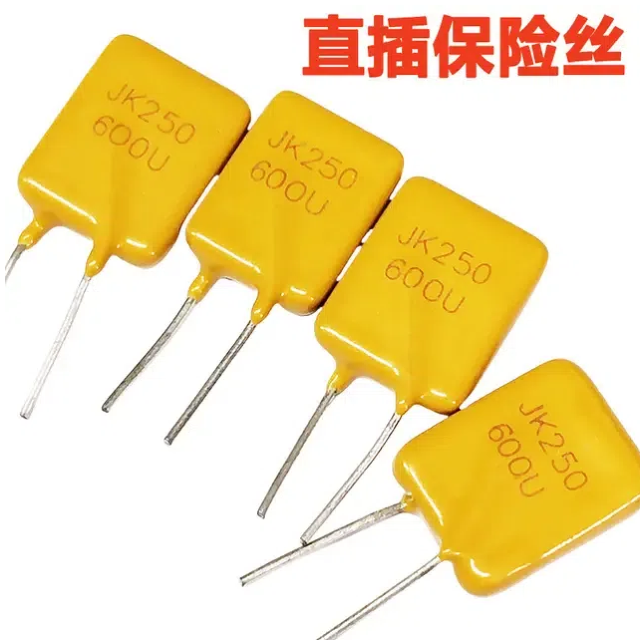
PTC thermistors, on the other hand, increase in resistance with rising temperatures, making them suitable for protection circuits and resettable fuses.
The sensitivity and rapid response time of thermistor sensors make them ideal for applications requiring fast detection of temperature fluctuations. Their small size, high reliability, and cost-effectiveness further enhance their suitability for HVAC systems where space and efficiency are at a premium.
How Does It Work in HVAC?
In HVAC systems, thermistor sensors play a central role in monitoring and adjusting environmental conditions. They work by detecting even minor changes in temperature and converting these changes into electrical resistance. The HVAC control unit reads these resistance values to maintain desired climate settings with precision.
Thermistor sensors are often installed in air ducts, coils, evaporators, compressors, and other heat exchange units. Because of their high sensitivity, they enable real-time adjustments to cooling or heating loads, improving user comfort and reducing energy consumption.
One of the key advantages is their quick response time. HVAC systems often experience sudden changes in ambient conditions, and thermistors can instantly detect these shifts and signal the system to adapt, maintaining temperature stability and energy efficiency. This performance is particularly valuable in modern, automated climate control systems that rely on fast feedback loops.
Benefits Over Alternatives
While there are several types of temperature sensors used in HVAC systems, such as thermocouples and resistance temperature detectors (RTDs), thermistor sensors offer distinct advantages in terms of precision, cost, and response speed.
Thermistor vs Thermocouple
Accuracy: Thermistors offer higher precision within limited temperature ranges commonly found in HVAC applications (e.g., -40°C to 125°C).
Stability: Thermocouples may drift over time and require frequent recalibration, while thermistors maintain long-term stability.
Cost: Thermistors are generally more economical due to their simpler construction and smaller size.
Thermistor vs RTD
Response Time: Thermistors respond faster than RTDs, which is critical in rapidly changing HVAC environments.
Size and Flexibility: Thermistors are more compact and can be molded into various shapes for custom installations.
Power Requirements: Thermistors consume less power than RTDs, contributing to energy-efficient system design.
In short, for applications that require fast, accurate, and cost-effective temperature measurement in moderate ranges, thermistor sensors are often the superior choice.
Common HVAC Applications
Thermistor sensors are deeply integrated into nearly every part of modern HVAC systems. Their applications include:
Thermostats
Thermostats rely on thermistors to detect ambient room temperature. Based on thermistor feedback, the system turns heating or cooling units on or off to maintain the set temperature. Because thermistors respond quickly to small temperature changes, they help minimize temperature swings and improve user comfort.
Air Conditioning Units
Thermistors monitor air intake and outlet temperatures to ensure efficient operation. In multi-zone HVAC systems, thermistors are used to regulate the temperature in each zone individually, optimizing comfort and reducing energy usage.
Chillers and Refrigeration Systems
In commercial and industrial HVAC installations, thermistors are used in chillers to monitor refrigerant and water temperatures. Accurate temperature control prevents system overload and ensures stable operation under varying load conditions.
Compressors and Evaporators
Monitoring the temperature of compressors and evaporators is crucial for preventing overheating and maintaining optimal refrigeration cycles. Thermistors help ensure these components operate within safe limits.
Heat Pumps
In reversible heat pump systems, thermistor sensors help manage temperature changes during the switch between heating and cooling modes, improving seasonal performance and reliability.
Air Handlers and Duct Sensors
Thermistors embedded in air handlers and ductwork help monitor the temperature of air being circulated, enabling intelligent control of fan speeds and airflow.
At ShenZhen HaiWang Sensor Co., Ltd. & HW INDUSTRIAL CO., LTD, we design thermistor sensors specifically for these HVAC applications. Our sensors are manufactured to meet stringent accuracy standards and can be integrated seamlessly into OEM or retrofit systems.
Customization for HVAC Needs
No two HVAC systems are exactly alike, and the demand for tailored sensor solutions is growing. That’s why we offer customizable thermistor sensors to meet specific operational, environmental, and mechanical requirements.
Temperature Range
Depending on the application—residential, commercial, or industrial—HVAC systems may operate within various temperature ranges. We provide thermistors capable of accurate sensing across a wide range, from -50°C to over 150°C, ensuring compatibility with different environments and components.
Resistance and Beta Values
Our engineering team works closely with HVAC manufacturers to customize resistance values (e.g., 10kΩ, 47kΩ) and beta coefficients, ensuring optimal compatibility with control systems and improved accuracy across temperature curves.
Housing and Mounting Options
To suit different installation scenarios, we offer a variety of sensor housings: plastic, stainless steel, epoxy-coated probes, clip-on sensors, and flange mount styles. Whether you need waterproof designs for outdoor units or compact forms for embedded applications, we have a solution.
Cable Length and Connector Types
Customization also extends to wiring. We provide cable options with different lengths, insulation types, and terminal connectors, such as Molex, JST, or custom plugs, to match your product’s design and production requirements.
By offering these customization options, ShenZhen HaiWang Sensor Co., Ltd. & HW INDUSTRIAL CO., LTD ensures that our thermistor sensors deliver maximum value to HVAC customers—whether you're building compact split units, smart thermostats, or large commercial chillers.

Conclusion
Thermistor sensors are a critical component in the pursuit of efficient, responsive, and reliable HVAC systems. With their quick response time, high accuracy, and adaptability, they offer significant advantages over traditional temperature-sensing technologies. At ShenZhen HaiWang Sensor Co., Ltd. & HW INDUSTRIAL CO., LTD, we have spent over two decades perfecting the design and manufacturing of thermistor sensors to meet the specific needs of HVAC applications.
Whether you're designing a residential thermostat or a commercial heat exchanger, integrating our high-performance thermistor sensors can help boost system performance and user satisfaction. For tailored solutions that meet your technical and operational requirements, contact us today to learn how our customizable thermistor sensors can enhance your HVAC products.